
fbpx
 

Author: Smile Clinic

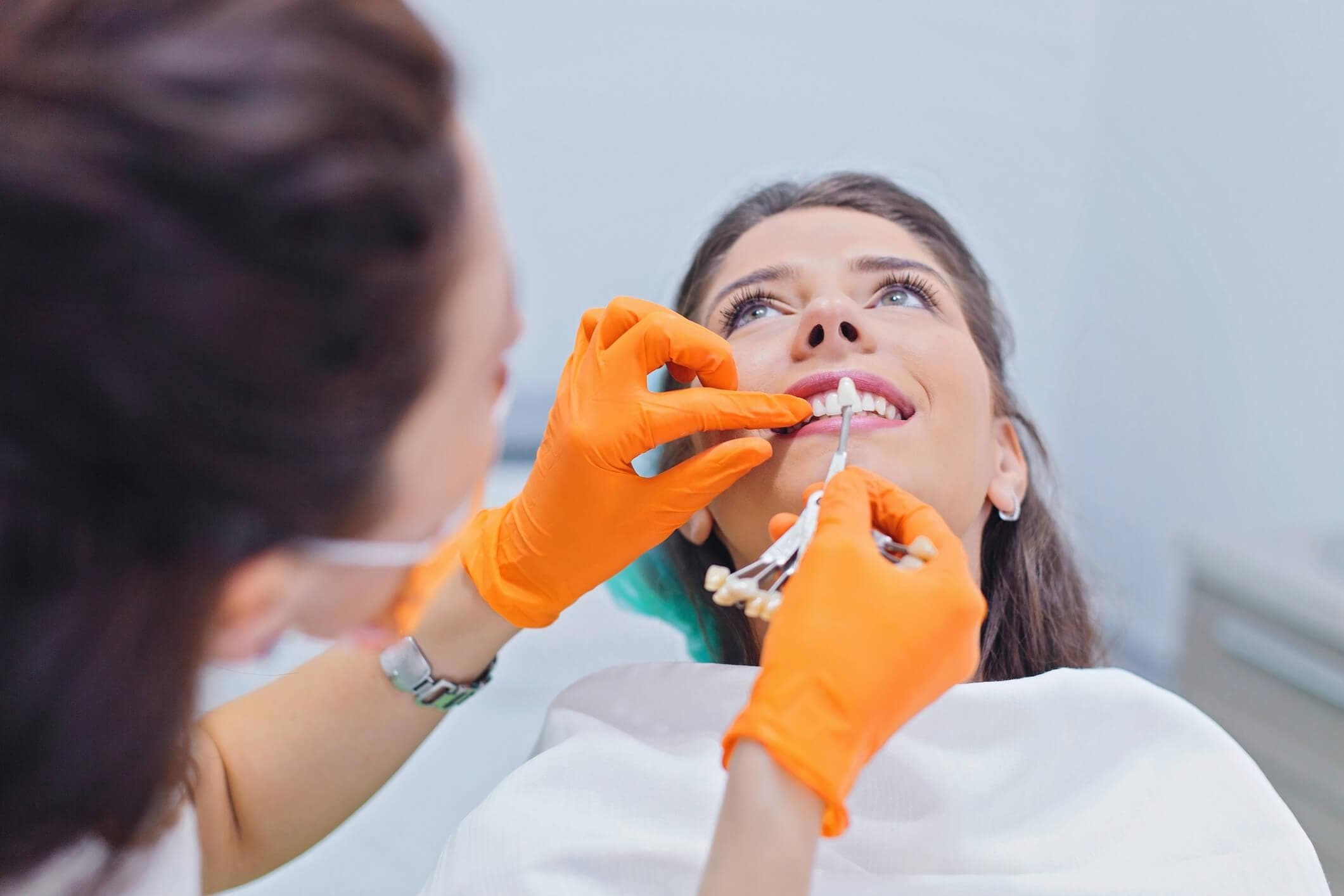
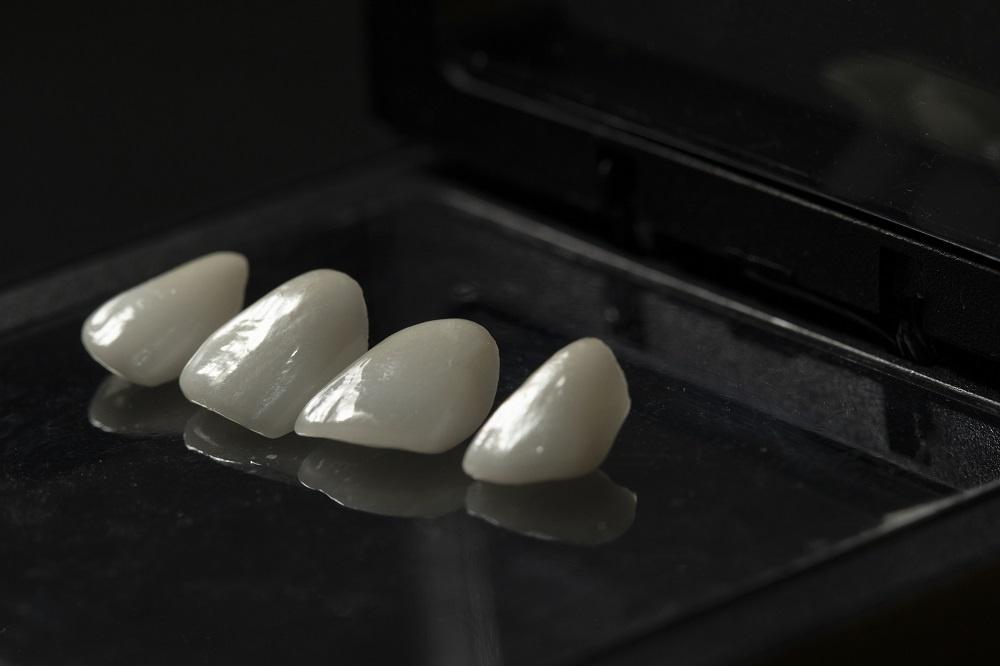
Veneers are prosthetic restorations that effectively eliminate the vast majority of dental imperfections. They are also durable and resistant to discolouration. Their colour is matched to the colour of the remaining teeth, making it possible to cover up any imperfections. What are veneers? When are they made and for what purpose? You will find the answers to these questions later in this article.
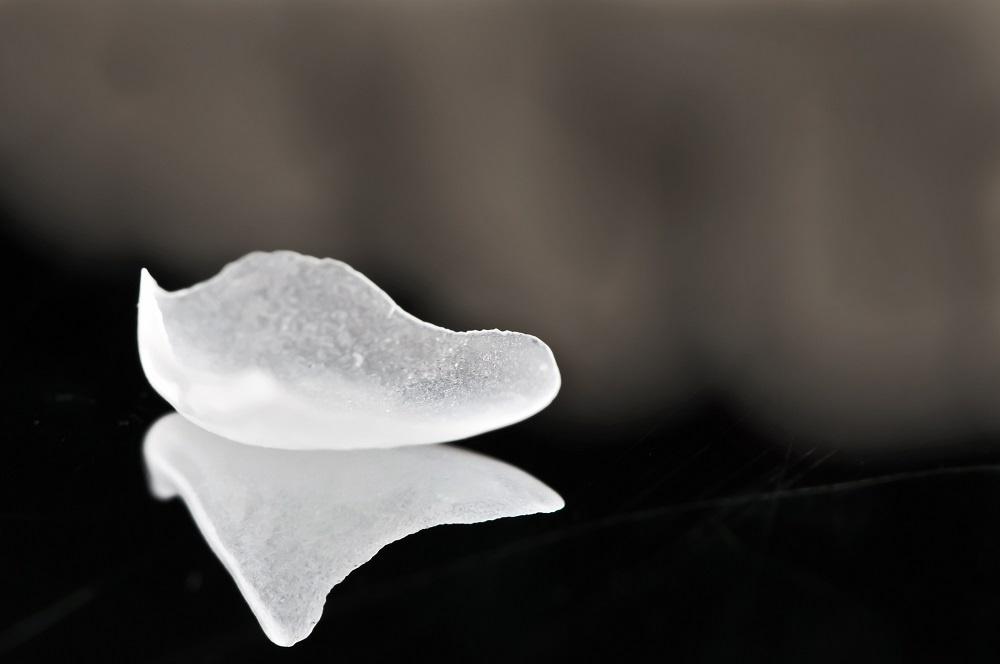

Veneers improve the appearance of teeth. Many people choose to wear composite, ceramic veneers because it is the only way to enjoy a nice smile again. However, it is worth knowing that not everyone can afford to wear them. In many cases, the dentist will refuse to place veneers.

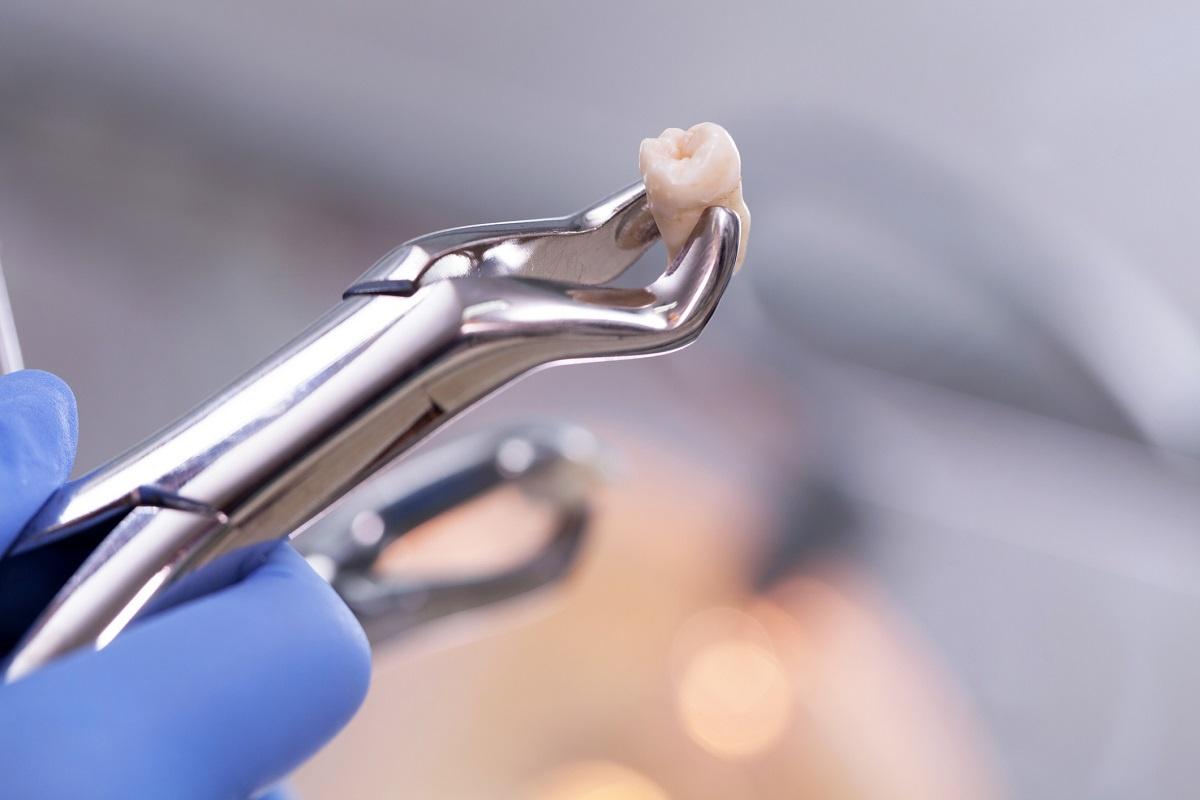
Oral surgery is a branch of medicine that mainly deals with the performance of surgical procedures in the oral cavity, including not only tooth extraction (pulling), but also bone regeneration, the treatment of tooth eruption disorders, tooth-related infections, cysts or benign tumours in the oral cavity. The intervention of the dental surgeon is also often necessary in implantology.

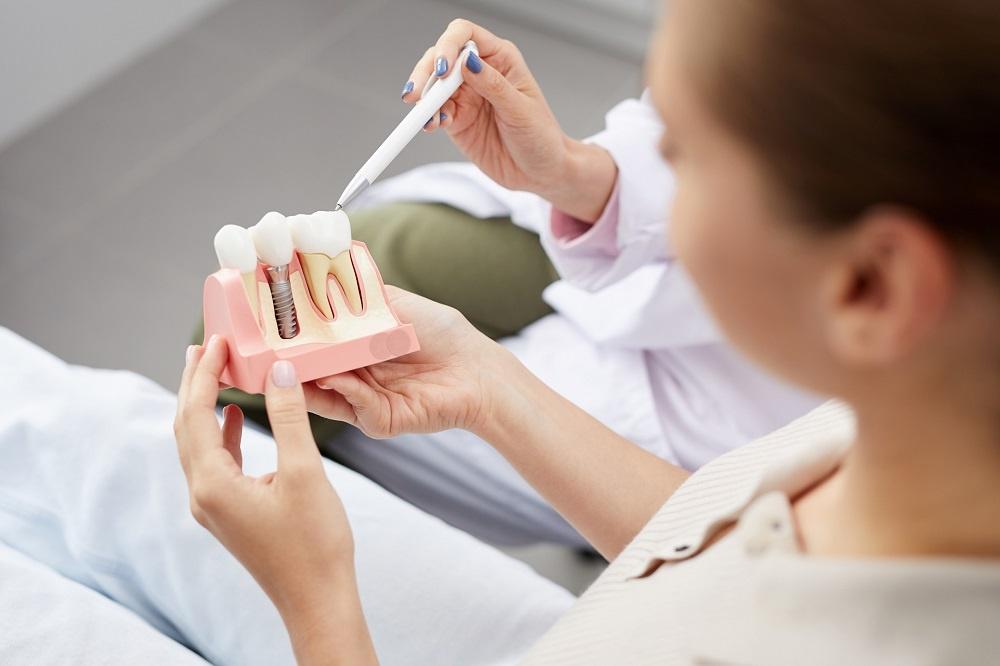
Implants, or artificial roots, were invented in 1952 by a Swedish orthopaedic surgeon. To this day, no one has invented a better way of replacing natural teeth. The procedure is completely safe, as dental implants are made of titanium, which is tolerated by the human body. When and why is it advisable to have artificial roots implanted?

Reconstruction of the crown of a tooth is performed after mechanical damage, such as chipping, cracks or fractures. Reconstruction is also performed after endodontic treatment due to advanced caries. It is also a procedure allowing aesthetics of teeth to be improved - it allows unevenness, fissures and discolouration to be hidden. It is worth undergoing this dental procedure not only for aesthetic reasons, but also for health reasons. Find out more about the restoration of tooth crowns later in this post.

Tartar has a negative impact on the tissues surrounding the teeth, so it must be removed regularly. Accumulated plaque, which is not eliminated, can mineralise. As a consequence, the outer surface of the teeth becomes covered with tartar, which may even reach below the gum line. This causes, among other things, bad breath....

Unfortunately, not everyone is aware of the negative impact on health and appearance of not replacing missing teeth. What exactly can this result in, both aesthetically and in terms of health? Displacement of remaining teeth The first serious consequence of not replacing missing teeth is displacement of the remaining teeth. In the long term...

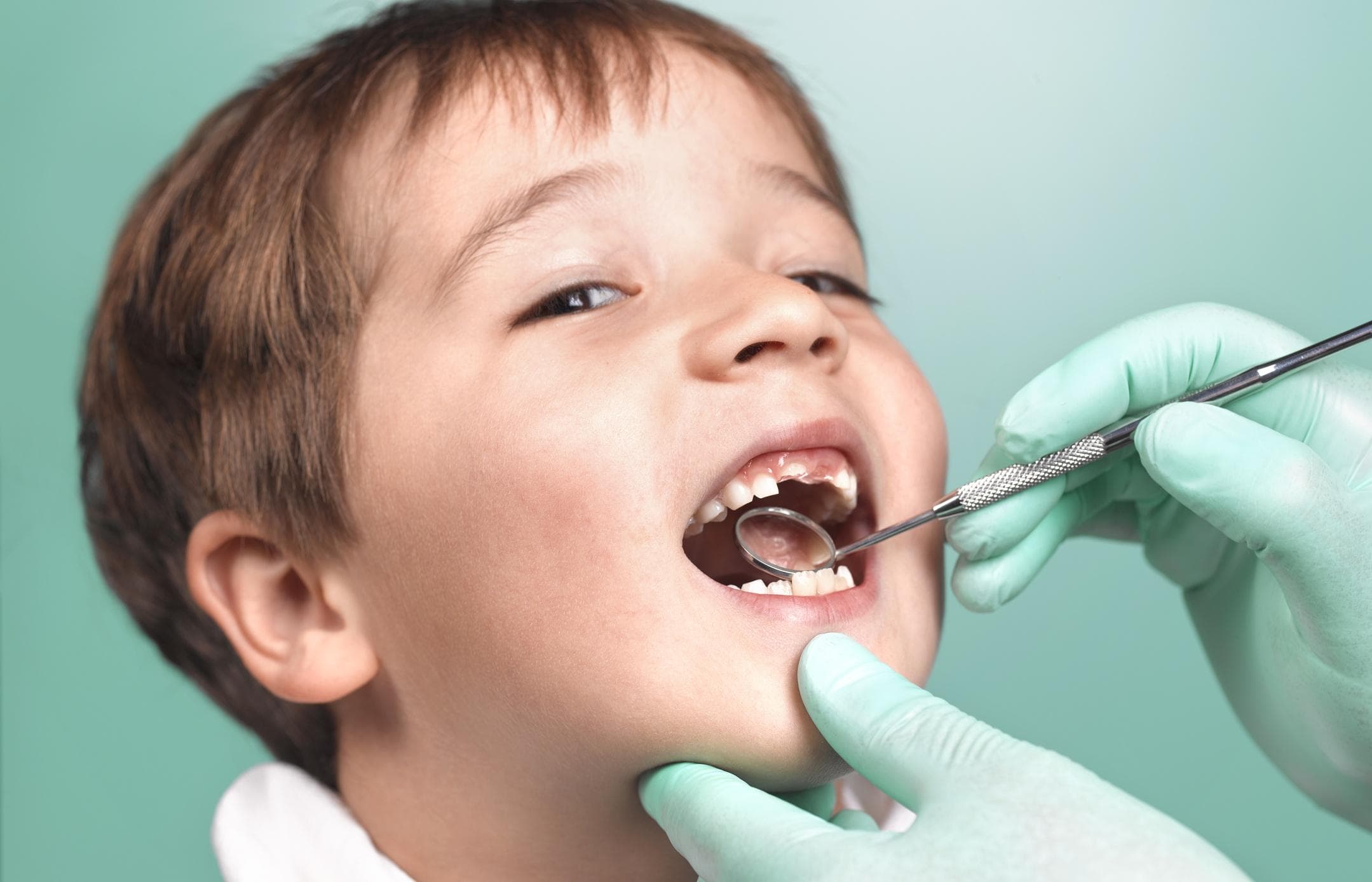
How long the gum will take to heal after tooth extraction depends on several factors, the most important of which is the complexity of the procedure being carried out. As a rule, the most difficult teeth to extract are the deepest-set molars: sixths, sevenths and - above all - eighths. In most cases the healing process takes about two weeks and discomfort disappears after about three days. However, inadequate wound care and various complications following surgery can prolong this period. 

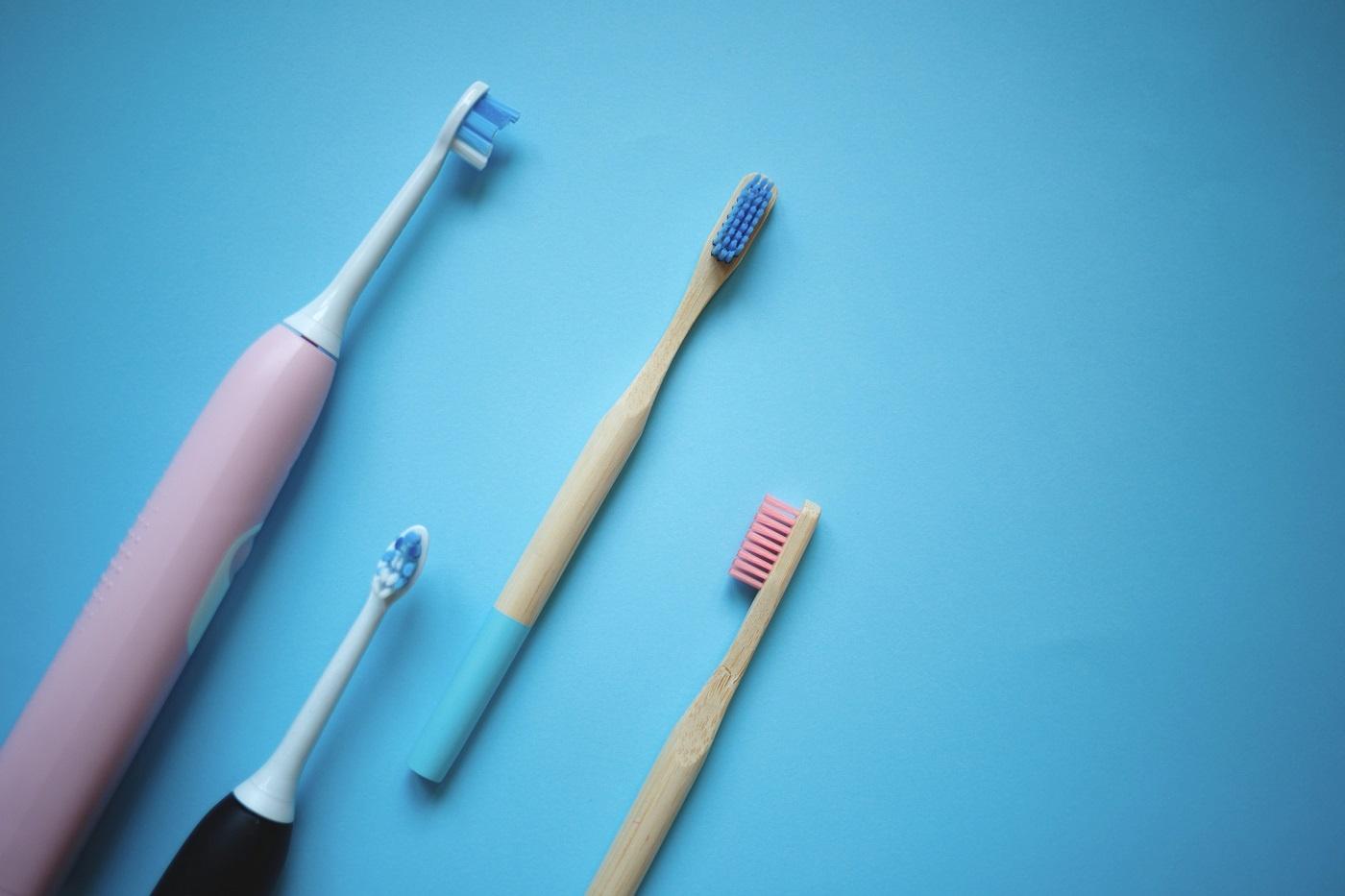
The selection of a toothbrush is important not only for the effectiveness of cleaning, but most importantly for the health of our gums. There are so many different models and types of toothbrush on the market today that patients often find it difficult to choose. In this post, we will introduce and briefly...