Blog

We treat painlessly. 165 Wólczańska Street, Łódź

Dental prosthetics deals with the restoration of teeth that have been damaged or lost. Its aim may be to restore normal chewing and speaking function, as well as to replace missing teeth. Depending on the situation, various solutions are used, including crowns, bridges, removable dentures and implant-supported restorations. The choice of a specific method depends on the condition of the mouth, the number of missing teeth and the feasibility of restoring the existing dentition.

Veneers are one way of changing the appearance of the front surfaces of the teeth. They are primarily used when the problem concerns colour, shape, proportions or minor damage to the teeth, and whitening alone does not produce the desired results. However, the decision to have veneers fitted should take into account not only aesthetic considerations, but also the condition of the teeth and gums, the bite, and the presence of any contraindications.

Root canal treatment, also known as endodontic treatment, involves removing the inflamed or infected pulp from inside the tooth, cleaning and shaping the root canals, and then filling and sealing them. In some cases, the procedure is carried out using a dental microscope, which allows for enlarged image of the treatment area. This is particularly important in cases where the anatomy of the canals is complex, where calcification is present, or where additional canals need to be located.

The loss of one or more teeth can lead to changes which, over time, affect not only the appearance of your smile but also your day-to-day functioning. Difficulty chewing, excessive strain on the remaining teeth or changes to the bite are just some of the consequences that may arise over time. Modern prosthetics offer solutions that enable the restoration of the dentition and the return of normal oral function. The choice of the appropriate treatment method always depends on the patient’s individual situation and the results of the diagnostic assessment. A properly planned restoration helps to improve the quality of daily life and maintain balance within the entire masticatory system.

Advanced tooth decay, mechanical trauma or developing inflammation can lead to damage to the tooth’s pulp. In many cases, however, this does not mean that extraction is the only option. Endodontic treatment allows the infected tissue to be removed, the root canals to be cleaned and the tooth to be prepared for further restoration. Thanks to modern diagnostic methods and the use of a microscope, procedures can be carried out with a high degree of precision. Properly planned treatment increases the chances of preserving your natural teeth for a long time.

Tooth decay develops gradually and may not cause any noticeable symptoms for a long time. This is precisely why many people put off seeing a dentist until they experience pain, although by then treatment often proves to be more complex. Regular check-ups enable changes to be detected at an early stage and the appropriate course of action to be chosen. This makes it possible to preserve more healthy tooth tissue and reduce the risk of the condition progressing further. Prevention and a prompt response therefore play an important role in maintaining oral health.

A prosthetic crown replaces damaged tooth structure when the cavity prevents stable restoration with composite material. A dentist may recommend one in cases of extensive decay, fractures, significant wear or following root canal treatment. This solution is often used on molars and premolars. Due to their function, these teeth bear the greatest chewing forces and therefore require robust mechanical reinforcement.

For many years, root canal treatment was associated with a difficult procedure with a risk of failure. However, modern dentistry has introduced the treatment microscope, which has significantly increased the accuracy of the dentist's work. Microscopic endodontics involves the preparation and filling of root canals with multiple magnification of the treatment field. This makes it possible to find even very narrow anatomical structures and to remove infected tissue with great precision. This method reduces the need for extraction and preserves the natural tooth, which is important for the proper functioning of the masticatory organ.

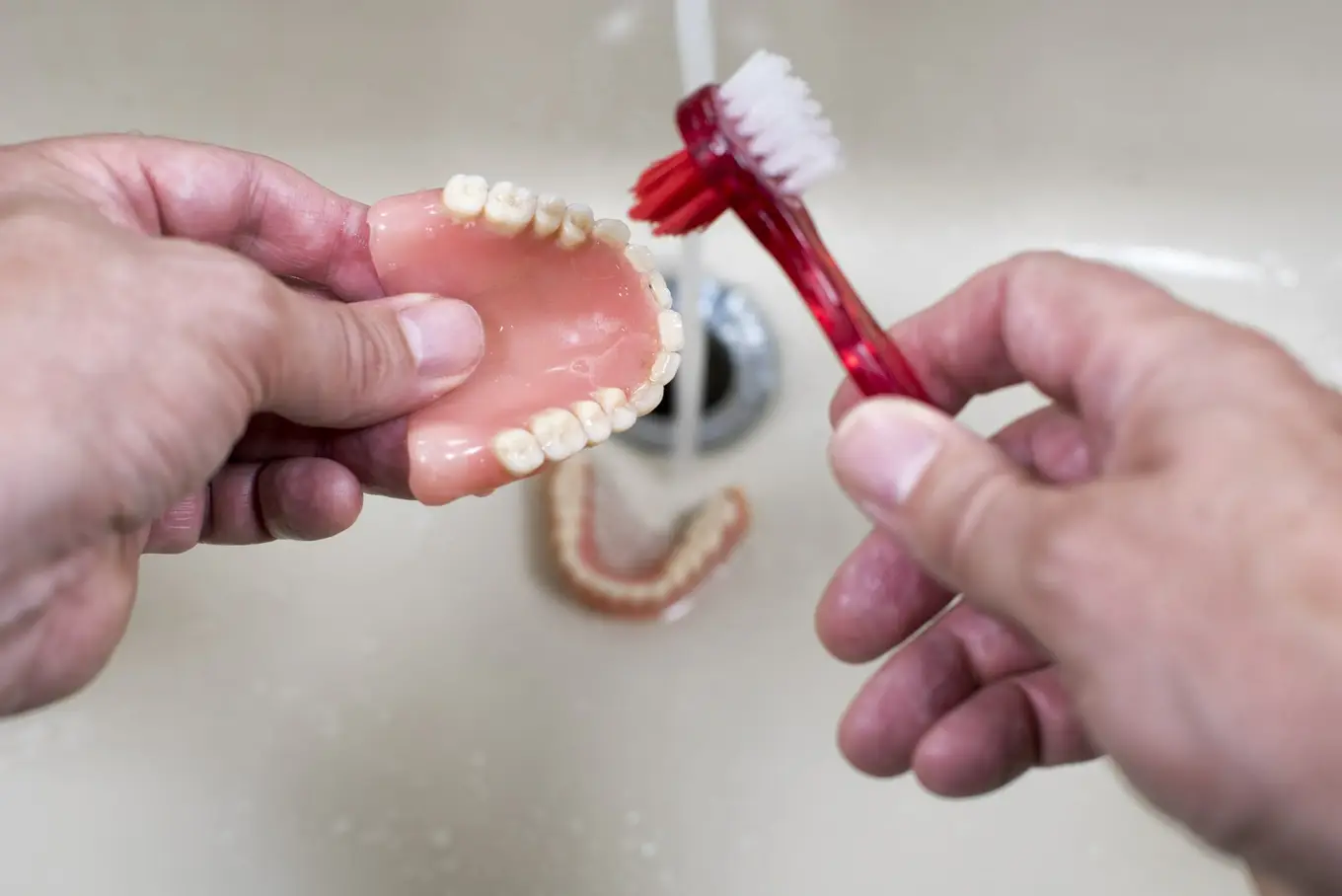
Dentures require daily, conscious care as they are in direct contact with the oral mucosa, saliva and food residues for many hours. Unlike natural teeth, it has no defence mechanisms or self-cleaning ability, so even short-term neglect of hygiene quickly leads to deposits, odour and irritation. Proper denture care is not just about cleaning, but about developing a routine that protects both the prosthetic restoration itself and the oral tissues.